Do Qatar residents need a visa for Dubai?
Yes, in most cases. The UAE visa depends on your passport nationality, not the QID. Only passports with a visa-free or visa-on-arrival entitlement can skip it.
Can QID holders get a UAE visa on arrival?
Holding a QID does not by itself grant visa on arrival. A separate GCC-resident route exists, but eligibility is assessed by UAE immigration.
How long does a UAE visa take from Qatar?
Standard processing is 3–5 working days after the documents pass review. Express handling may be 24–48 hours.
What documents do QID holders need?
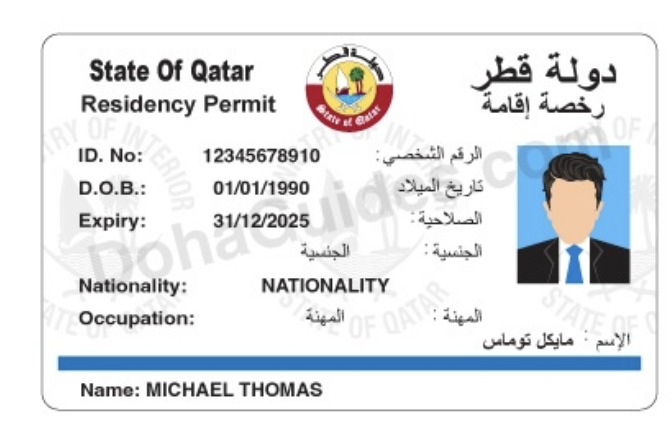
Passport bio page, recent white-background photo, clear QID copy front and back, and a residence extract if UAE immigration asks for one.
Does my city in Qatar change the process?
No. The application is entirely online, so Doha, Al Wakrah and Al Khor applicants follow the same steps.
Is the visa valid for Abu Dhabi?
Yes. A UAE tourist visa covers all seven emirates within the dates printed on it.
How much is a UAE visa from Qatar?
The live fee table above shows the current all-inclusive AED prices by visa type. The checkout total is final.
Is issuance guaranteed for Qatar residents?
No. A valid QID does not guarantee approval — UAE immigration makes the final decision after reviewing the file.
Can I apply while outside Qatar?
Yes, provided your QID is valid and you can supply clear copies. Your physical location does not change the requirements.
Do children need their own UAE visa?
Yes. Every traveller including infants needs an individual visa and passport.
Can I work in the UAE on this visa?
No. Tourist, visit and transit visas do not allow employment in the UAE.
What if my visa is refused?
Government fees are non-refundable once submitted. We share the stated reason where one is given and advise on re-applying.
How much QID validity is required for the GCC-resident route?
GDRFA's GCC-resident service publishes a residence validity condition of no less than one year, and your passport should have at least six months remaining. Where your QID does not meet that condition, a standard tourist visa is normally the better route.
Can I apply for a UAE visa from Doha or Al Rayyan?
Yes. The application is entirely online, so residents of Doha, Al Rayyan, Al Wakrah, Umm Salal, Al Khor, Lusail and anywhere else in Qatar apply the same way. Your city does not change the entry rule — your passport nationality does.
How much is the UAE visa in QAR?
We charge in AED. The fee table on this page shows an indicative QAR equivalent so you can compare, but your bank or card provider applies its own conversion rate on the day.
Is approval guaranteed?
No agency can guarantee approval — the decision belongs to UAE immigration. We check every document before submission so avoidable refusals are caught early, and we tell you the stated reason when one is provided.
How do I get a UAE visit visa from Qatar?
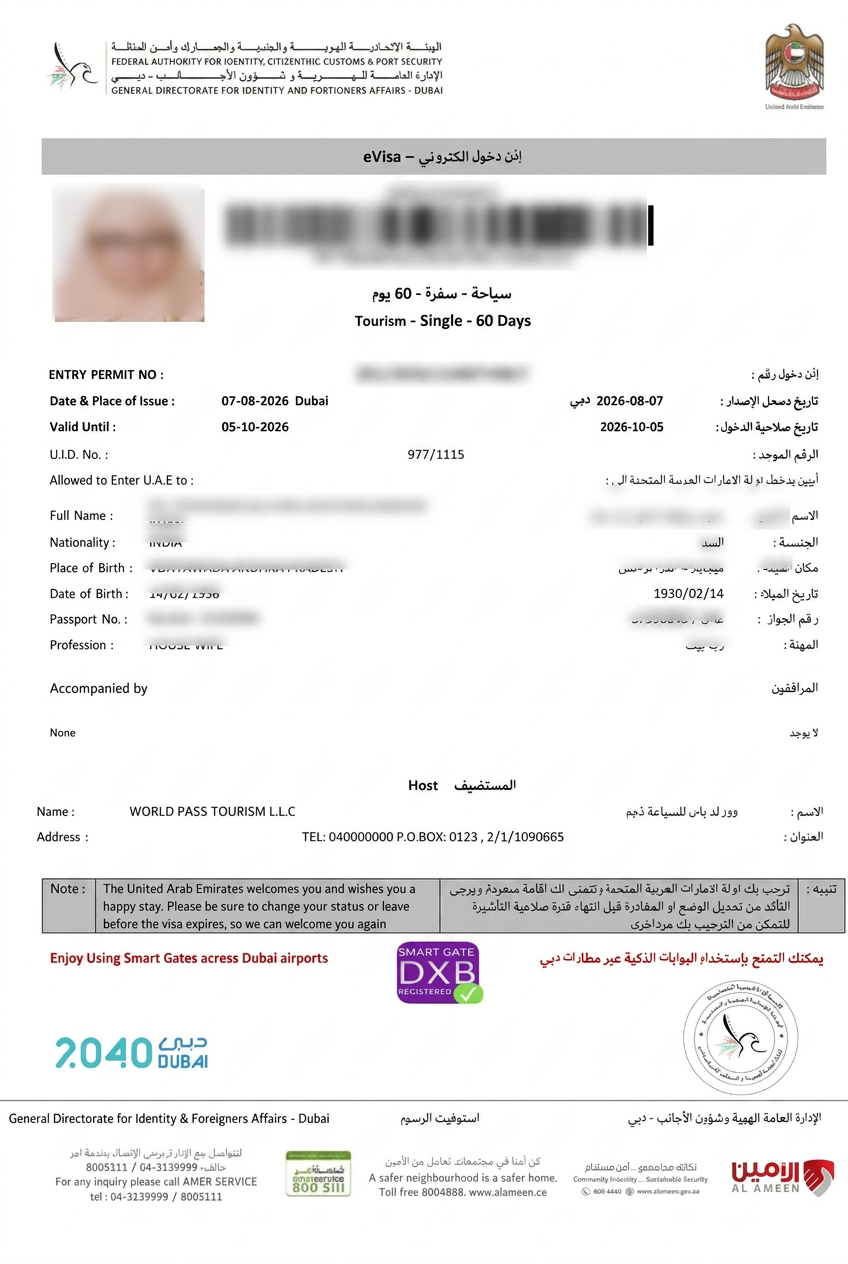
Apply online with eVisas.io — no embassy visit and no UAE sponsor of your own. Upload your passport copy, photograph and QID, pay the all-inclusive fee, and the approved UAE e-Visa is emailed to you as a PDF.
Can Qatar residents get a Dubai visa without a sponsor in the UAE?
Yes. The visa is sponsored by our licensed UAE tourism company, so Qatar residents do not need family, friends or an employer in the UAE to apply. The same e-Visa is valid for Dubai, Abu Dhabi, Sharjah and every other emirate.
Is a security deposit or guarantor required?
A refundable security deposit is a condition some UAE sponsors apply to selected profiles — it is not charged on every application. We confirm in writing whether it applies to your file before you pay, and you never need to arrange your own UAE guarantor.
What happens to my fee if the UAE visa is refused?
Government fees are consumed by UAE immigration on submission and are not refundable. Where a reason is given we share it, advise what to correct and help you re-apply. Our free document review exists so weak files are fixed before submission.


 Doha to Dubai